Bladder Troubles For Ladies: Reasons And Therapies
Urinary System Incontinence In Females: Causes And Therapy Beaufort Memorial Urinary incontinence can occur at any age, but it comes to be much more typical during pregnancy, after giving birth, and as women go through menopause. Although it might feel like a typical part of aging, that does not imply it should be ignored or accepted without support. Urinary system incontinence is common, especially as females age or experience significant life modifications like childbirth or menopause. It's nothing to be embarrassed about, and extra importantly, it's something we can treat. Mixed urinary incontinence entails signs and symptoms of both stress urinary incontinence and prompt urinary incontinence. There is no one-size-fits-all strategy to dealing with urinary system incontinence. It is possible to experience more than one type of urinary incontinence. The most common kind of urinary system incontinence, anxiety urinary incontinence creates urine leakage when sudden anxiety is positioned on the pelvic location. If you have stress and anxiety incontinence, you might leak urine when you laugh, sneeze, or coughing, or when you participate in exercise, including sex. Urinary system system infections (UTIs) are a typical source of bladder issues in ladies. Symptoms of a UTI might include a strong urge to pee also when the bladder is empty, pain or burning throughout urination, cloudy pee, and pelvic pain. For evident reasons, when the bladder is bigger, you can experience a raised requirement to pee, and the need to urinate with necessity. The decline normally begins throughout perimenopause and remains to diminish throughout menopause and even after. Psychophysiological feedback or electrical excitement can help you discover to do these workouts right. Overactive bladder OAB usually causes nocturia since the bladder's sending "vacant me" signals also when you're trying to remainder. This occurs when the bladder doesn't vacant completely, resulting in constant dribbling of pee. It is less usual and may be connected to nerve damage, blockages, or particular medicines. This is much more typical in those with diabetic issues, spine injuries, or after surgical procedure. Some females experience a combination of both stress and prompt urinary incontinence. Urinary incontinence happens to females regularly than men due to the fact that experiences like pregnancy, giving birth and menopause straight affect the muscular tissues that control the bladder.
Urinary Incontinence In Postmenopausal Women-- Creates, Symptoms, Therapy
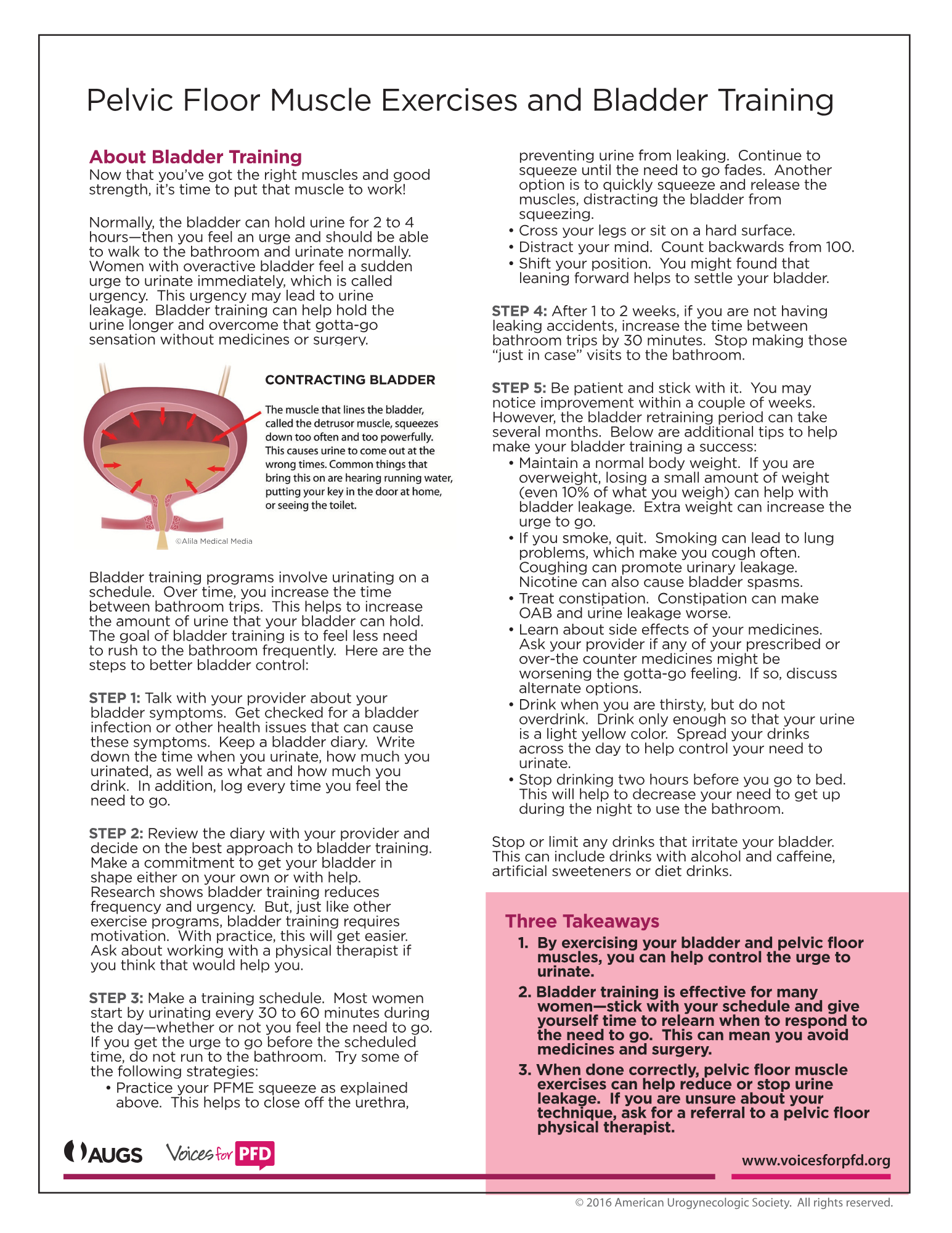
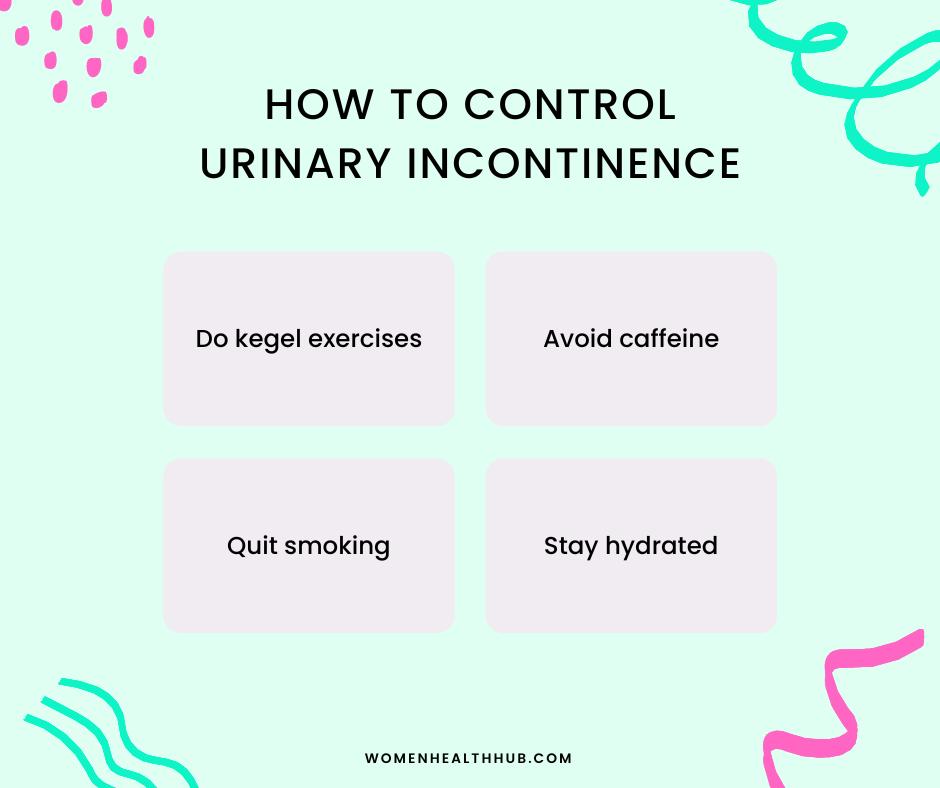
If you're treating an over active bladder, reducing on these toxic irritants may help in reducing need to urinate and improve your quality of life. Drinking adequate water, yet not too much, aids maintain your bladder typical. This condition is caused by the weakening of the pelvic floor muscles-- the muscles that sustain your bladder and various other pelvic organs.What can an urologist provide for a weak bladder?
- Due to nerve placement, a herniated disc or the results of pelvic of back surgical treatment can additionally contribute to OAB.
- Females with an over active bladder might not experience leak, however have such constant need to urinate that it interrupts their life.
- Even though UI is common, many ladies fail to report it to their physician, maybe due to the fact that they think it's a "natural" change or because they're just also ashamed to bring it up.
Signs & Causes Of Urinary System Incontinence
Typically just described as UTIs, urinary system tract infections are another typical cause for a weak bladder. UTIs occur as the result of germs that goes into and influences component of the urinary system, such as the bladder, the kidneys, or the entire urinary system. Over active bladder in females comes from a mix of physical changes and way of life danger elements. Bladder muscle problems, hormone changes, nerve problems, and daily routines all contribute. For some women, it may be useful to have a physician usage psychophysiological feedback methods that reveal activity in your bladder and pelvic flooring muscle mass. Psychophysiological feedback involves putting a sensing unit near the pelvic floor muscles, which transfers the quantity of pressure you're applying to a computer system.Really Feeling Sick Before Your Duration? Exactly How To Ease Period Flu Symptoms
Females post-menopause typically notice even more regular urination and necessity. The mix of tissue shrinkage and hormone adjustments is a large danger variable for OAB as you age. For the urinary system to do its task efficiently, muscle mass and nerves must interact to hold pee in the bladder and then release it at the right time. Prompt incontinence may have no well-known reason, or might occur due to nerve damages from various other medical conditions like multiple sclerosis, Parkinson's condition, diabetic issues, or stroke. Spinal cord damages or bladder inflammation can also be causes of impulse incontinence. Urinary urinary incontinence, or loss of bladder control, is the failure to control the launch of pee. There are numerous kinds of urinary incontinence, and this problem may be short-lived or might continue for a long time.